
On this page · 5 sections
One hundred years ago tonight, on Monday, Nov 15, 1926, about a thousand people in formal clothes packed the big ballroom of the old Waldorf-Astoria Hotel in New York. Long cars pulled up to the door. Reporters and photographers crowded the entrance.
At 8 p.m., a light flashed. An announcer named Graham McNamee leaned toward the microphone. "Good evening, ladies and gentlemen," he said.
His voice did not stay in that room. It went out over 3,600 miles of telephone wire, to radio stations in cities as far west as Kansas City. A brand-new company, the National Broadcasting Company, was on the air. We know it as NBC.
One show, many cities
In 1926, one radio station could only reach so far. If you lived in Detroit, you could not count on hearing a concert from New York.
The fix was the telephone. The phone company, AT&T, had set up special phone lines that could carry music, not just voices. It used those lines to hook its New York station, WEAF, to stations in other cities.
That fall, the Radio Corporation of America, or RCA, bought WEAF from AT&T for $1 million. The deal came with use of AT&T's lines. Then RCA, General Electric and Westinghouse formed NBC to run the chain of stations. The Library of Congress says this was the first national radio network in the United States.
NBC wanted people to remember its first night.
A party on the radio
The show ran from 8 p.m. until 12:25 the next morning. Walter Damrosch led the New York Symphony Orchestra. The New York Oratorio Society sang. Opera star Titta Ruffo sang, too. The Goldman Band played, and so did the dance bands of Vincent Lopez and George Olsen.
Then came the part nobody had heard before.
The famous singer Mary Garden sang from Chicago. Her voice came down the wires and out of a speaker in the ballroom. Then the funny, plain-talking Will Rogers spoke from Kansas, through a Kansas City station. The people in the ballroom heard them live, at the same moment as everyone at home.
Weber and Fields were a famous comedy team. Before they went on, they were so scared they could barely talk. NBC's new president, Merlin Aylesworth, waited with them in a pantry. He told them funny stories until they calmed down. Then they went out and made people laugh.
Who was listening?
Twenty-five stations in 21 cities carried the show, by the count the Library of Congress quotes. Some other early counts are lower. NBC later said about 10 million people listened. The show reached the Northeast and Midwest. The lines did not yet run south of Washington or west of Kansas City.
The night cost NBC a reported $50,000 or more. It worked. Within two months, NBC was running two networks, called the Red and the Blue. On Dec 23, 1928, NBC set up the first permanent coast-to-coast network in the United States.
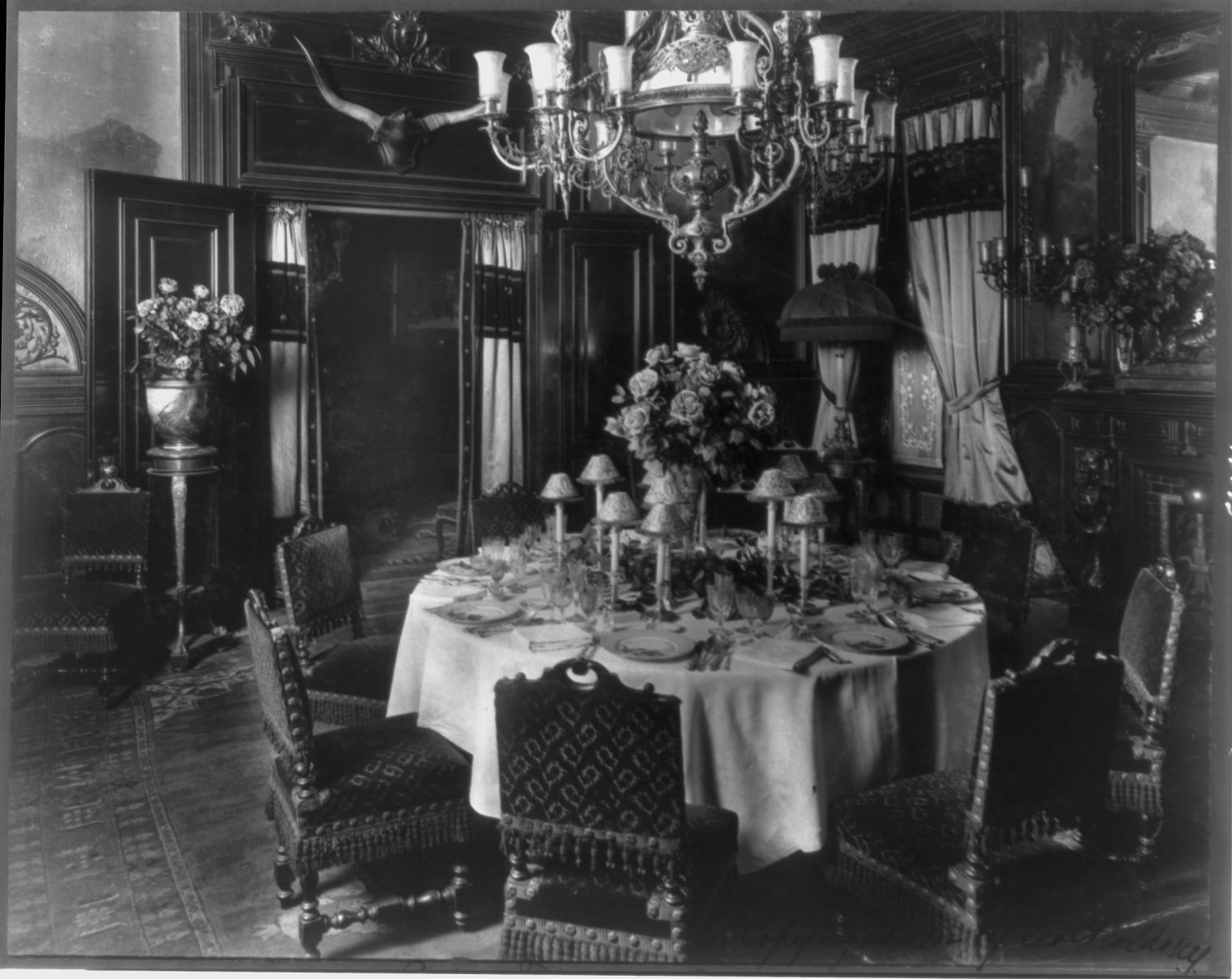 The Astor dining room inside the old Waldorf-Astoria Hotel in New York, the hotel where NBC's first show began. Photo: copyright 1902 by George C. Boldt, Library of Congress (no known restrictions on publication).
Why it matters for your tech today
NBC's big idea was simple. Make one show. Send it down wires to many places at the same time. A live stream on your phone or TV does that job today. The internet has taken the place of those phone lines.
Just like in 1926, the line matters. YouTube suggests a steady internet speed of 5 Mbps for 1080p HD video, and 2.5 Mbps for 720p. Other devices on the same network can slow you down. If a stream keeps stopping, YouTube's help pages suggest these fixes:
- Run a speed test. If your speed is low, turn the video quality down in the player's settings.
- Move closer to your router. Or plug in a cable, and don't use Wi-Fi.
- On a TV, YouTube has a Broadcast Delay setting. "Default" gives the fewest stops. "Decrease" gets you closer to live, so you see fewer spoilers, but may stop more often.
Helpful gear
iThis page has affiliate links. If you buy through one, we may earn a small commission at no extra cost to you. Learn more.
- Amazon Basics Cat 6 Ethernet Cable (15 ft) (opens in a new tab): Optional. A 15-foot Cat 6 cable lets you plug a streaming box, game console or computer straight into your router. YouTube suggests trying a wired setup like this.
Nobody recorded that first NBC show. No photos of it are known to survive. The night that started network radio in America was made to be heard once. Everyone heard it at the same time, and then it was gone. All we have left are the words of people who were there, or who leaned in close to a radio at home.
When you join a live stream with thousands of strangers, you are doing what they did that Monday night in 1926. You are all hearing the same thing, at the same moment, together.
Enjoyed this? Follow Tech Cheat Codes on TikTok for quick tech tips: Follow on TikTok. Or open TikTok and search "Tech Cheat Codes".
References
- Source: Library of Congress, Research Guide, "The National Broadcasting Company at the Library of Congress: Introduction" (NBC formed in 1926 when RCA bought WEAF from AT&T; began broadcasting Nov 15, 1926 at a gala in the grand ballroom of the Waldorf Astoria; quotes The Golden Years of Broadcasting: a thousand guests in evening clothes; twenty-five stations in twenty-one cities; reached as far west as Kansas City)
- Source: Library of Congress, "National Broadcasting Company history files" collection record (NBC history files document "the first national broadcasting network in the United States")
- Source: Library of Congress, NBC History Files finding aid, PDF (chronology: RCA announced NBC Sept 13, 1926; NBC began radio broadcasting Nov 15, 1926; Red and Blue networks; first permanent coast-to-coast network established by NBC on Dec 23, 1928)
- Archived copy: Library of Congress NBC History Files finding aid PDF, Wayback Machine snapshot of June 13, 2025
- Source: National Broadcasting Company, "The Saga of NBC" (1934), transcribed at earlyradiohistory.us (Graham McNamee announced from the Waldorf-Astoria Grand Ballroom; "Good evening, ladies and gentlemen..."; 3,600 miles of telephone wire; as far west as Kansas City; NBC's figure of 10,000,000 listeners; Mary Garden from Chicago and Will Rogers from Independence, Kansas; Aylesworth in the pantry with a frightened Weber and Fields)
- Source: National Broadcasting Company, "NBC: The First Fifty Years" (1976 advertisement), transcribed at earlyradiohistory.us (broadcast ran from 8 p.m., Nov 15, 1926 to 12:25 the next morning; New York Symphony, New York Oratorio Society, Will Rogers, Weber and Fields, Vincent Lopez; 25 stations in 21 cities; within two months NBC ran the Red and Blue networks)
- Source: National Broadcasting Company, NBC 25th anniversary book (1951), PDF at World Radio History (Monday evening, Nov 15, 1926; limousines and reporters at the entrance; Mary Garden from Chicago; Will Rogers from Independence, Kansas; Damrosch and the New York Symphony; New York Oratorio Society; Titta Ruffo; Goldman's Band; orchestras of Vincent Lopez and George Olsen; Weber and Fields)
- Source: Radio World, John Schneider, "When NBC Radio Began 100 Years Ago," Oct 27, 2026 (AT&T's equalized telephone lines for intercity programs; RCA paid $1 million for WEAF and its network plus access to AT&T's lines; NBC owned 50% RCA, 30% GE, 20% Westinghouse; Mary Garden via KYW Chicago; Will Rogers via WDAF Kansas City; reported cost over $50,000; no recordings or photographs survive; 22 stations by its count; no lines south of Washington or west of Kansas City)
- Source: YouTube Help, "Troubleshoot YouTube video errors" (recommended sustained speeds: 5 Mbps for 1080p, 2.5 Mbps for 720p; multiple devices on the same network may reduce speed; run a speed test; change video quality)
- Source: YouTube Help, "System requirements & supported devices for YouTube" (it may help to hardwire your internet connection instead of using a wireless connection)
- Source: YouTube Help, "Troubleshoot streaming & video issues" (move the device within range of the router; Broadcast Delay setting: "Default" is best to minimize playback interruptions, "Decrease" is best to reduce live spoilers)