On this page · 6 sections
Apple announced a new iMac and a new 14-inch MacBook Pro on Tuesday morning, and the news buyers will care about most is a price that didn't move. The 24-inch iMac with Apple's new M6 chip starts at $1,499. The 14-inch MacBook Pro with M6 starts at $1,999. Both cost what the models they replace cost on Monday, and both look the same on the outside.
Pre-orders open today, Wednesday, October 28, at 10:10 a.m. Pacific, which is 1:10 p.m. Eastern. The first machines arrive Friday, November 6.
One more thing for anyone about to hit the order button: Apple's "Pro and tell" launch starts at 1 p.m. ET today, and a touchscreen OLED MacBook Pro is rumored for it. Apple hasn't announced or confirmed that, so treat it as a rumor until Apple shows it, and know that more could land ten minutes before pre-orders open.
The iMac gets more cores for the same money

The iMac is the bigger change of the two. It's the first update in two years, and Apple skipped the M5 chip entirely, so owners of the 2024 model are jumping two generations. The M6 is Apple's first chip built on a 2-nanometer process, which in plain terms means smaller, more efficient transistors. It already runs in the Mac mini that Apple launched in August.
There are two versions. The $1,499 model has a 10-core processor and a 10-core graphics chip, two Thunderbolt ports and 16GB of memory, with 256GB of storage. The $1,699 model steps up to 12 cores for each, four Thunderbolt 4 ports, and the same 16GB and 256GB to start. The 10-core model can be configured with up to 24GB of memory and 1TB of storage, and the 12-core model with up to 32GB and 2TB. For comparison, the old $1,499 iMac had 8 cores in each slot, so that part of the upgrade costs nothing extra.
Apple's own numbers, all measured against the M4 iMac, are up to 2x faster graphics, up to 2x faster storage and up to 5x faster at running AI models on the machine itself. Those are best-case lab figures. Everyday browsing and email won't feel five times faster, and independent reviews will tell us more once they exist.
The extras are quieter. Both models get Wi-Fi 7 and Bluetooth 6. Wired internet gets faster too, with 2.5 gigabit Ethernet standard on the 12-core model and an option on the 10-core one. The 12-core model also comes with a Magic Keyboard that has a Touch ID fingerprint key, and it's the only one that offers a matte nano-texture glass option that cuts glare. The 10-core model ships with a keyboard without Touch ID, which is an upgrade you can add when you configure it.
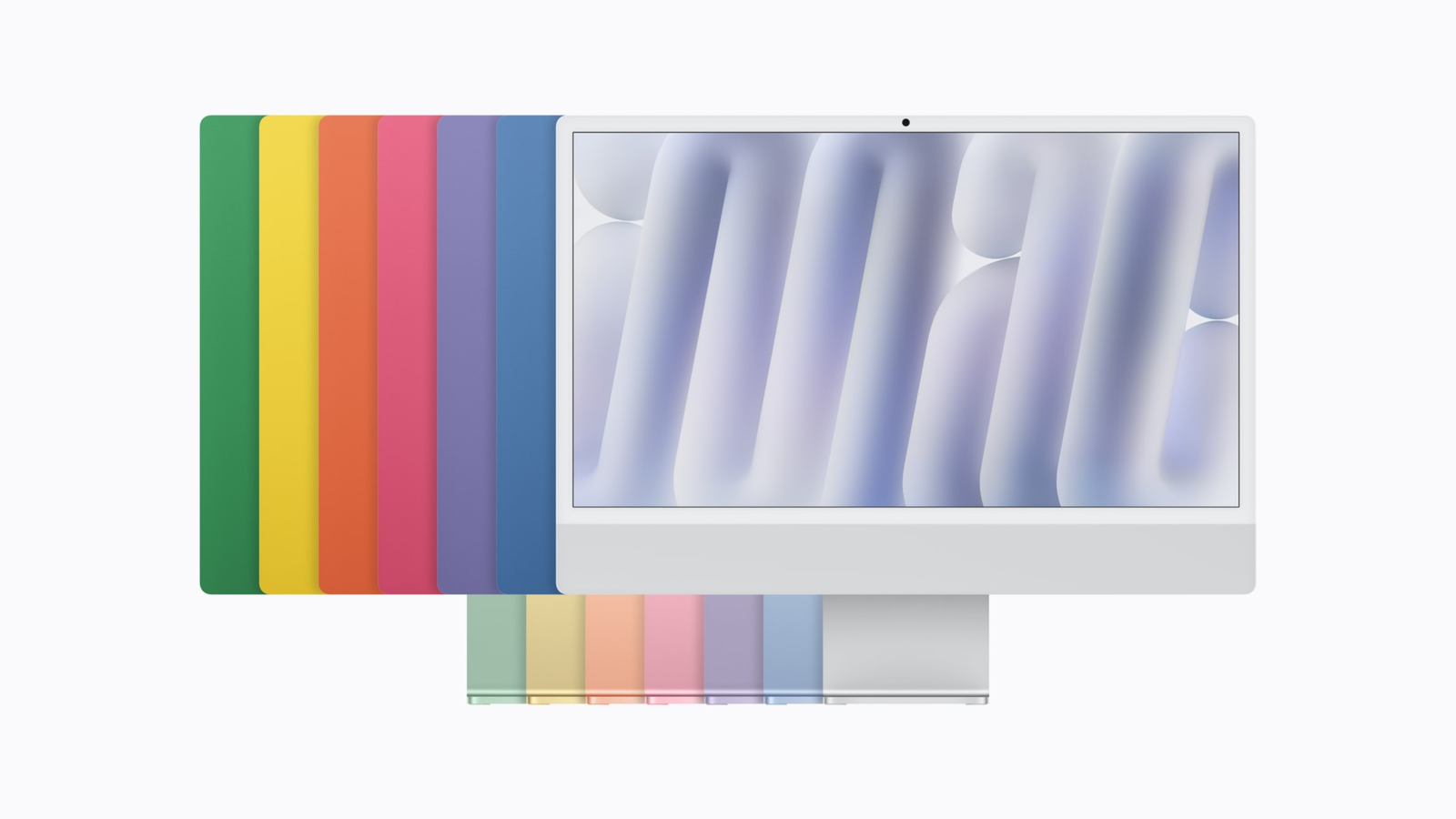
The screen is the same 24-inch, 4.5K display at 500 nits of brightness, with a 12-megapixel camera, and the seven colors carry over: blue, green, pink, yellow, purple, orange and silver. If you liked the look of the last iMac, you'll like this one.
The MacBook Pro changes less
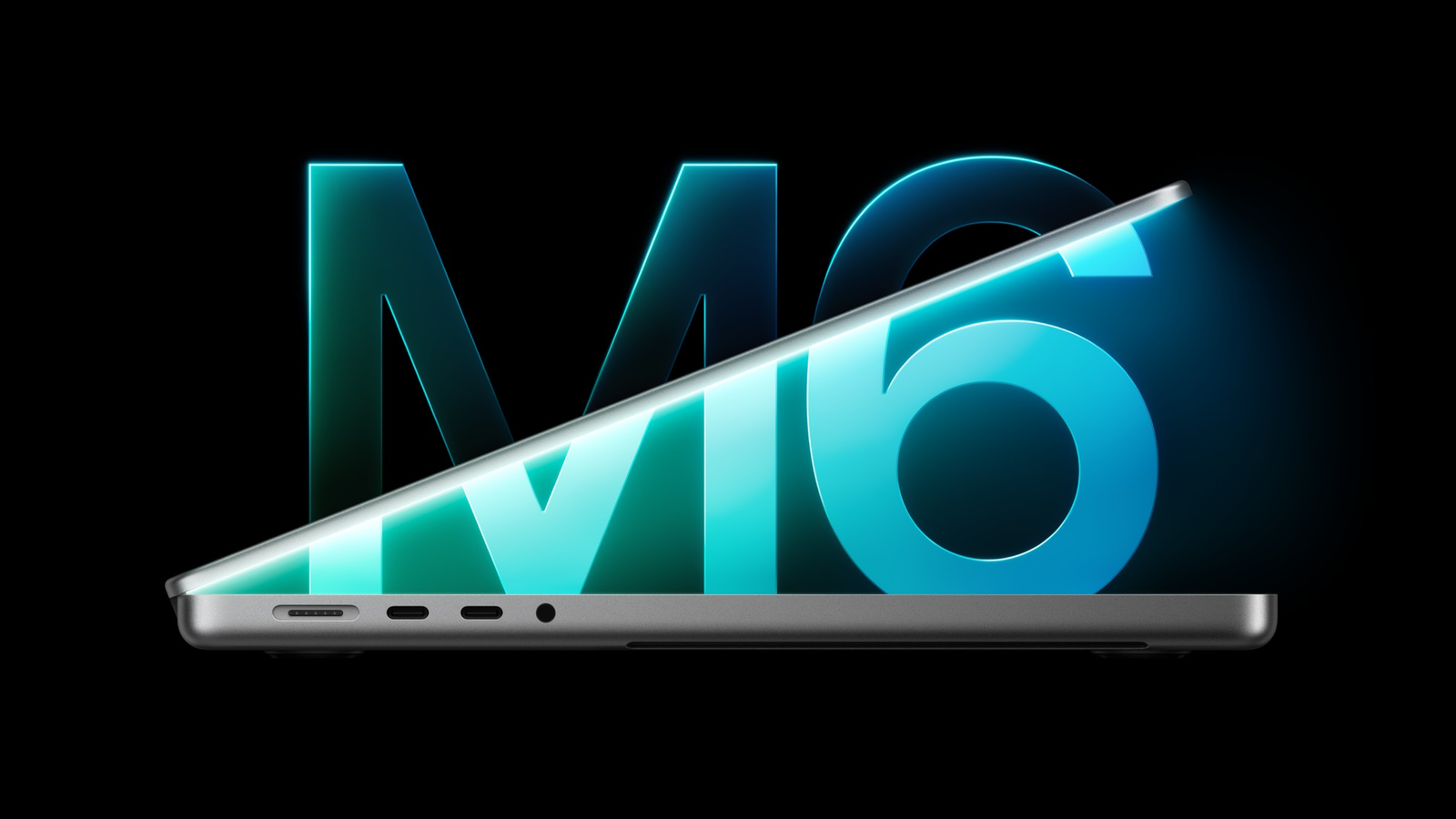
The 14-inch MacBook Pro keeps its body, its screen and its ports. What's new is the M6 chip inside, with a 12-core processor and a 12-core graphics chip, two more of each than the M5 it replaces. Apple puts the graphics gain at up to 30 percent over the M5 and the gain on AI work at up to 25 percent.
Like the iMac, it gets Wi-Fi 7 and Bluetooth 6. Starting memory is 16GB, starting storage is 1TB, and you can configure up to 32GB and 4TB. Apple rates the battery at up to 24 hours of video streaming, which sounds like a jump, but the M5 model carried the same rating, so don't count on longer life.
The display is the same 14.2-inch Liquid Retina XDR screen, with up to 1,600 nits of peak brightness for HDR video and photos and an optional nano-texture finish. Ports stay put as well: three Thunderbolt 4 ports, HDMI, an SD card slot, MagSafe charging and a headphone jack. It comes in space black or silver and weighs 3.4 pounds.
Both machines run macOS 27 and support Siri AI, Apple's rebuilt voice assistant, which Apple's footnotes list as a beta in macOS 27.2 in English, French, Japanese, Korean, Portuguese and Spanish, so expect rough edges. It isn't offered to children under 13.
Prices and dates
The iMac starts at $1,499 for the 10-core model and $1,699 for the 12-core one. Students and teachers pay $1,449 and $1,599. The MacBook Pro starts at $1,999, or $1,899 with education pricing. These are U.S. prices. Memory and storage upgrades add to those totals, so check the configuration page before you decide what you can afford.
"Unchanged" needs a footnote. Apple raised Mac prices in June, citing the cost of memory, and that's when the iMac went from $1,299 to $1,499 and the MacBook Pro from $1,699 to $1,999. The new models hold those higher prices. You get a newer chip for the money you'd have paid yesterday, though not the money you'd have paid last spring.
Pre-orders start at 10:10 a.m. PT (1:10 p.m. ET) on October 28 in 35 countries and regions, including the U.S. Machines begin arriving at homes and in Apple Stores and Apple Authorized Resellers on Friday, November 6.
Who should buy and who should wait
If you still use an Intel-based iMac, this is the upgrade to look at. Apple rates the new one at up to 18 times faster than the most popular Intel iMac, and even if real life lands well short of that, a machine that old will feel like a different computer. The same goes for anyone on an M1 Mac who's tired of waiting on exports and updates.
If you own the M4 iMac or the M5 MacBook Pro, skip this round. Nothing here makes the jump worth $1,499 or more. The new MacBook Pro keeps the old one's design, its battery rating and its memory limit. That's our read, and independent reviews could change it.
For the iMac, the 10-core model fits most families and homework desks. The extra $200 for the 12-core model buys two more cores, two more ports, built-in faster wired internet and a Touch ID keyboard in the box, plus the only access to the glare-cutting glass. Pick it if you plug in lots of gear or work near a bright window. Otherwise, save the money.
For the MacBook Pro, the M6 model replaces the cheapest 14-inch one, so Apple's own store no longer lists an M5 base model. Apple's store page still lists 14-inch and 16-inch models with M5 Pro and M5 Max chips if you need more power than the M6 offers.
You don't need to rush. Pre-orders don't open until 1:10 p.m., ten minutes after today's launch begins, so there's time to see what Apple shows first. Apple takes back a Mac in good condition and its original packaging, so you can change your mind later, but read the return terms on apple.com first.
How to pre-order
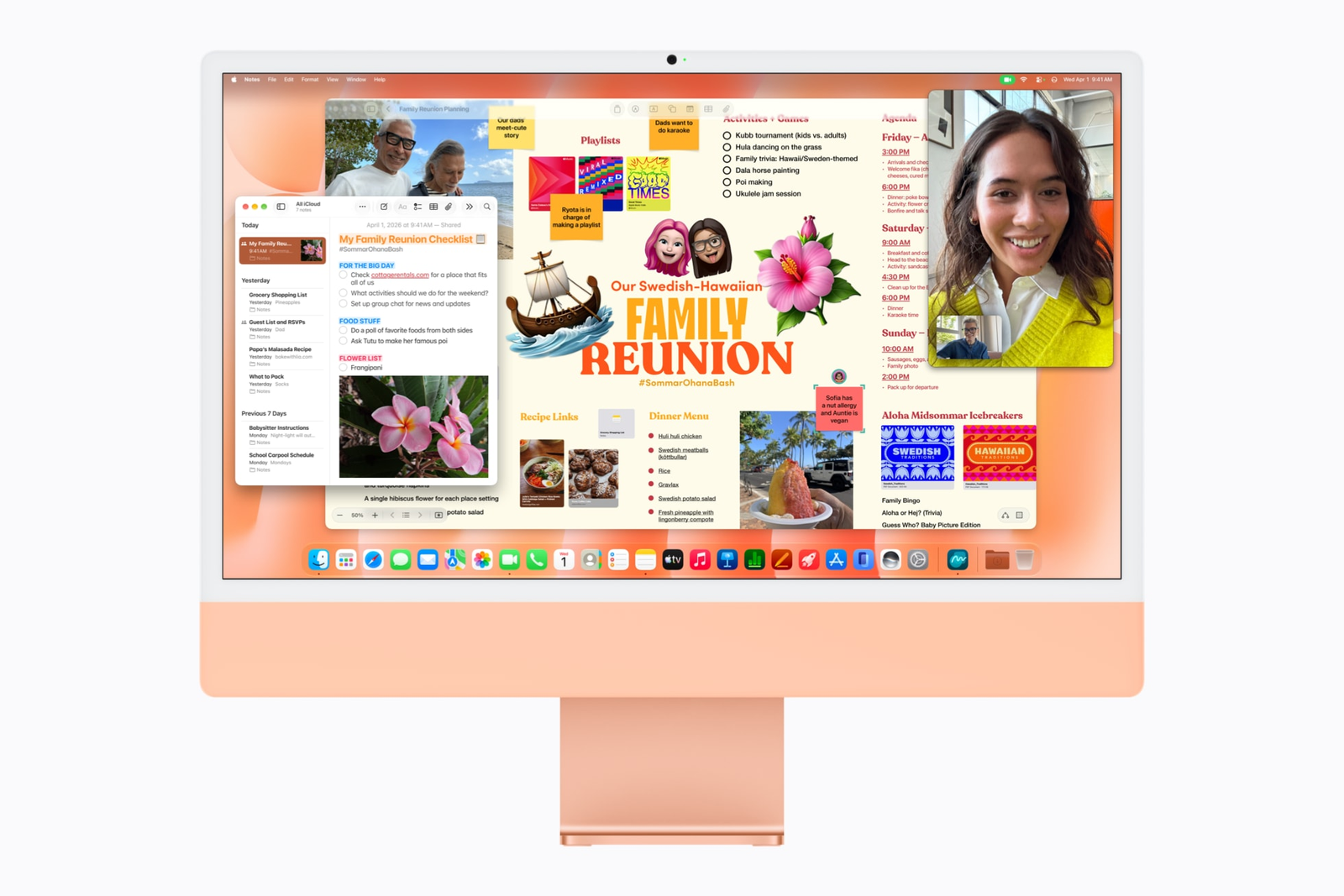
Start at the iMac page, apple.com/shop/buy-mac/imac, or the MacBook Pro page, apple.com/shop/buy-mac/macbook-pro/14-inch. Both show the "pre-order starting at 10:10 a.m. PT" notice today. You can also order in the Apple Store app. Pick a chip, a color or finish, then memory and storage, and sign in with your Apple Account so your address and payment are ready. Apple lists trade-in at apple.com/shop/trade-in, year-round education pricing, and Apple Card Monthly Installments at 0 percent APR for U.S. buyers who qualify.
Custom builds with extra memory or storage can slip past the date on the page, because Apple warns that customized selections may affect delivery estimates. If November 6 matters to you, check the date at the end of checkout before you pay.
Sign in to your Apple Account a few minutes before 1:10 p.m. ET, with the page you want already open. Then watch the 1 p.m. news before you pay.
References
- Source: Apple Newsroom: Apple unveils new iMac with M6
- Source: Apple Newsroom: Apple introduces the new 14-inch MacBook Pro with M6
- Source: Apple: iMac tech specs
- Source: Apple: MacBook Pro tech specs
- Source: Apple Store: iMac
- Source: Apple Store: MacBook Pro 14-inch
- Source: MacRumors: M6 iMac Pre-Orders and Release Date Announced
- Source: MacRumors: M6 14-Inch MacBook Pro: Pre-Orders and Release Date Announced
- Source: MacRumors: M5 vs. M6 MacBook Pro Buyer's Guide
- Source: The Verge: Apple refreshes the iMac with M6 chips
- Source: 9to5Mac: New M6 Macs buck Apple's second wave of price hikes
- Source: Ars Technica: Apple refreshes the iMac, entry-level MacBook Pro with the M6 chip
- Source: Ars Technica: Apple ratchets up prices, blames the cost of memory
Never miss a cheat code
Get a new 60-second fix every day: follow on TikTok, YouTube or Instagram.
Related fixes
New Phone or Computer? How to Move Your Photos, Messages and Files Over for Free
Moving to a new iPhone, Android, Windows PC or Mac? Use the free, built-in transfer tools to bring your photos, messages and files along, step by step.
New Device Setup · 8 min read
Selling or Giving Away an Old Device? How to Wipe It Safely
Before you sell or give away an iPhone, Android phone, Windows PC or Mac: back up, sign out so it isn't locked to you, erase it, then take out your SIM.
New Device Setup · 11 min read
How to Turn On Two-Step Verification for Google, Apple, Microsoft, Facebook, Instagram and Amazon
Add a second sign-in step to Google, Apple, Microsoft, Facebook, Instagram and Amazon: pick an app, text code or passkey, then save your backup codes.
Accounts & Security · 11 min read