
On this page · 2 sections
Radio and television programs across the country cut away Tuesday afternoon so the Federal Emergency Management Agency could test the system the president can use to reach people in a national emergency.
The FCC said FEMA conducted the nationwide Emergency Alert System test at 2:20 p.m. Eastern Time on Tuesday, Nov. 17, 2026. In a notice dated Monday, FEMA said radio and television broadcasters, cable systems, satellite radio and television providers, and wireline video providers would briefly interrupt regular programming to carry a test message that would say it was a test and that the public did not need to act, and that regular programming would resume when the test ended.
This one did not go to cellphones. The Wireless Emergency Alert system was not part of Tuesday's test, the Maryland Department of Emergency Management and the Utah Division of Emergency Management said. If your phone stayed quiet, that was expected. The National Weather Service office in Pueblo, Colo., said NOAA Weather Radios would not receive it either.
Federal law requires FEMA to run a nationwide test of the public alert and warning system at least once every three years, the agency said. "During an emergency, every second is crucial," FEMA Administrator Cameron Hamilton said. "Operational tests, like the one to be conducted tomorrow, allow us to identify and fix potential issues before an actual emergency occurs," he said in Monday's notice.
What to do after the test
- If you heard the tones on TV or radio, no action was needed. Around 2:20 p.m. ET, a test message may have broken into what you were watching or listening to. You did not need to leave the house, change the channel for safety, or call anyone about it. Programming should have returned afterward.
- A silent phone was expected. A quiet phone does not mean the test failed or that your device is broken.
- The Dec. 3 backup date is not needed. Maryland emergency officials and the National Weather Service had said Thursday, Dec. 3, was the backup if conditions prevented the test from going ahead. The FCC said the test was conducted Tuesday.
- Use the moment to check real emergency alerts. For actual warnings later, keep Wireless Emergency Alerts turned on. On iPhone, go to Settings > Notifications and look for Emergency Alerts or Government Alerts. On Android, go to Settings > Notifications and look for Wireless emergency alerts. Menu names can vary by phone. Those settings did not apply to Tuesday's TV and radio test.
With the law calling for a nationwide test at least once every three years, the tones that broke into your show Tuesday were a rare full check of the system built to warn the whole country at once.
Want more plain-English tech news? Follow Tech Cheat Codes on Facebook. Tap this link, then tap Follow: Follow Tech Cheat Codes on Facebook
References
- EAS Test Reporting System (ETRS) — Federal Communications Commission, Nov. 17, 2026
- FEMA and FCC to Conduct Nationwide Test of the Emergency Alert System on November 17, 2026 — FEMA, Nov. 16, 2026
- Nationwide Emergency Alert System Test on November 17 — Maryland Department of Emergency Management, Nov. 16, 2026
- FEMA and FCC to conduct nationwide test of Emergency Alert System — Utah Division of Emergency Management, Nov. 16, 2026
- FEMA and FCC nationwide test November 17th, 2026 at 12:20PM — National Weather Service, Pueblo
Get the next cheat code
Plain-English tech fixes and scam alerts. Tap Follow on Facebook or TikTok, or pick another below.
Related fixes
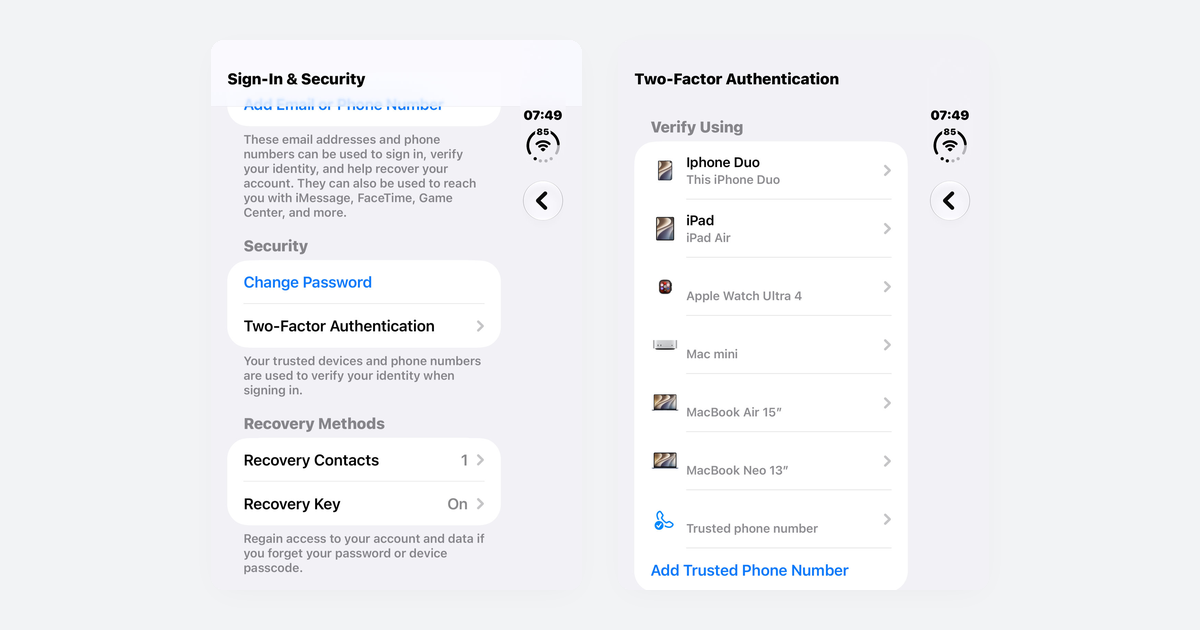
How to Turn On Two-Step Verification for Google, Apple, Microsoft, Facebook, Instagram and Amazon
Open each account's security settings, turn on two-step verification, and save backup codes plus a second way back in.
Accounts & Security · 14 min read
Is This a Scam? 4 Warning Signs and What to Do Next, for Parents, Kids and Grandparents
Watch for someone pretending to be trusted, a sudden problem or prize, pressure, and a request for gift cards, crypto, or a wire.
Scams · 8 min read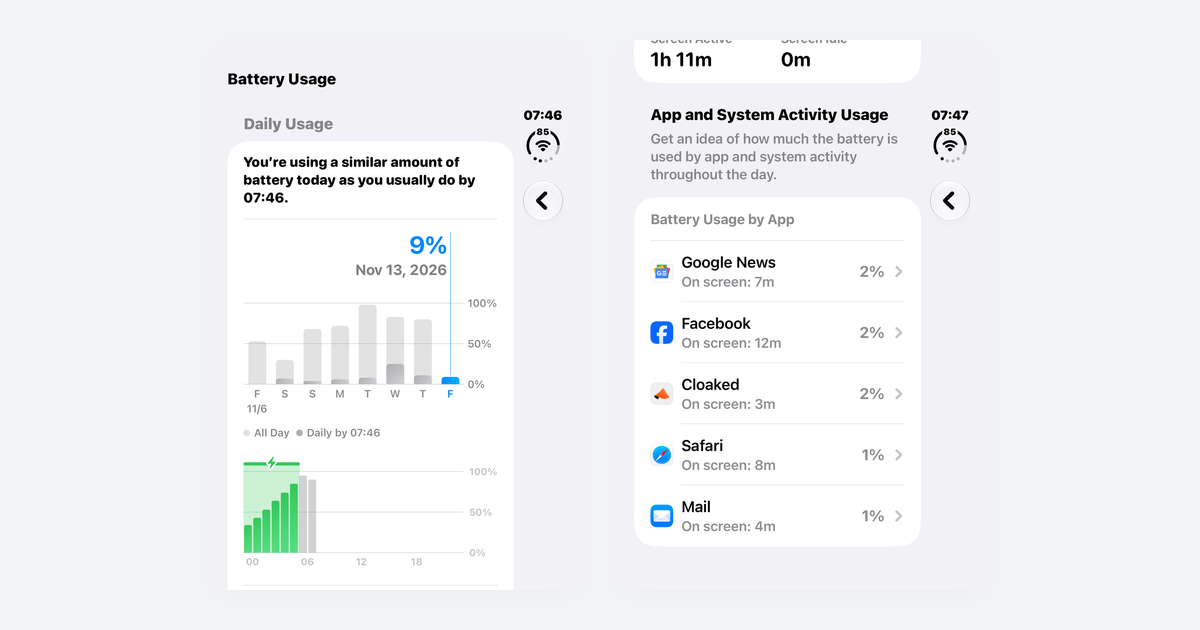
Phone Battery Draining Fast? Free Fixes for iPhone and Android
If you just updated, wait a few days; then check which app is using power, turn on battery saver, and dim the screen.
Phones & Storage · 10 min read