
On this page · 3 sections
If you visited CNN, the BBC, Fox News, Zoom, Salesforce or other major websites on Monday, Nov. 16, update your iPhone or iPad, watch your card statements, and compare any cryptocurrency payment you made that day with the address you meant to use.
Attackers exploited a flaw in Optimizely, a tool companies use to test and personalize websites, and added malicious JavaScript to some customer projects, the company said. Visitors could have been shown a swapped crypto wallet address, had card details skimmed from a site's own checkout form, or been served exploit code aimed at iPhones and iPads, security firm Report URI said.
Optimizely said in an incident notice on its status page Monday night that it has fixed the flaw, removed the injected code, secured affected accounts, and added protections against unauthorized code. In a statement to BleepingComputer, Optimizely said the flaw was in the Experimentation account signup flow, and that it had blocked the vulnerable path, ended sessions, revoked tokens, reset access for affected accounts, and notified all affected customers.
Sites that served the code
Report URI, whose founder Scott Helme first detailed the attack, said it found the code in 188 of 1,611 Optimizely scripts it checked, belonging to 178 organizations, and that the true number is likely higher. Its list includes Zoom, the BBC, CNN, Fox News, Salesforce, GitLab, IKEA, HSBC, Equifax, Air France-KLM, Ledger and Peacock, plus Optimizely's own site and login page. BleepingComputer separately confirmed the script loaded, or tried to load, on several of those sites.
The attacker wrote a loader into a custom-code field in customer projects, Report URI said, and the file was still served from Optimizely's content network. Researchers first saw the injected code at 11:21 p.m. ET on Sunday, Nov. 15, in the BBC's script. Cleanup began about 3:40 p.m. ET Monday. Report URI said every infected script it was watching was clean as of 6:11 p.m. ET Monday and had stayed clean.
The payload replaced cryptocurrency wallet addresses on the page, in forms, in links and on the clipboard, Report URI said. A card skimmer added Monday morning captured card numbers, expiration dates and security codes typed into a site's own forms. Cards entered in hosted payment fields, such as Stripe's or Adyen's, were out of its reach.
On iPhones and iPads, Report URI said, the payload was set up to load exploit kits it identified as Coruna on older iOS versions and DarkSword on iOS 18. Comments in the kit marked iOS 18.7.3 and later, and iOS 26.3 and later, as patched.
Salesforce told BleepingComputer that, as a precaution, it was confirming Optimizely scripts were disabled, and that it would notify customers if it identified unauthorized access to their data. Equifax told Reuters it had stopped using Optimizely and found no evidence that its systems were compromised. IKEA said it was checking for any impact on customers, Reuters reported.
If you visited one of those sites Monday
- Update your iPhone or iPad. Install the latest iOS or iPadOS available for your device. Apple's security-releases page, dated Nov. 13, lists iOS 27.2.1 as the latest version, with iOS 26.7.3 and 18.7.12 offered for older models. Open Settings > General > Software Update, or use Apple's update guide.
- Watch your cards if you paid on one of those sites. Review recent charges and call the number on the back of your card if anything looks wrong. If you typed a card number into the site's own form, consider asking your issuer for a new number.
- Double-check any crypto you sent. Compare any transfer you made that day with the address you intended to pay. An address copied from an affected page, or copied while that tab was open, may already have been changed.
- Ignore surprise "verify" messages. Sign in only through a company's official app or website. If you were logged into an important account while visiting an affected site, watch that account and turn on two-step verification if it is not already on.
Optimizely said it will post updates at status.optimizely.com. A site that is clean now may still have served the code on Monday.
Want more tech news like this? Follow Tech Cheat Codes on Facebook. Tap this link, then tap Follow: Follow Tech Cheat Codes on Facebook
References
- Source: Optimizely, Web Experimentation Security Incident (status page, posted 8:02 p.m. ET, Nov. 16, 2026)
- Source: Report URI, Scott Helme, World's Largest Brands Infected With Malware Via Optimizely (Nov. 16, 2026, updated Nov. 17)
- Source: BleepingComputer, Lawrence Abrams, Optimizely supply chain attack delivers malware to CNN, Fox News, BBC, Salesforce sites (Nov. 16, 2026)
- Source: Reuters via Investing.com, Popular websites subverted in bid to steal crypto, target iPhone users (Nov. 16, 2026)
- Source: Apple, Apple security releases (page dated Nov. 13, 2026)
- Source: Apple, Update your iPhone or iPad
- Source: Tech Cheat Codes, How to Turn On Two-Step Verification on Your Accounts
Get the next cheat code
Plain-English tech fixes and scam alerts. Tap Follow on Facebook or TikTok, or pick another below.
Related fixes
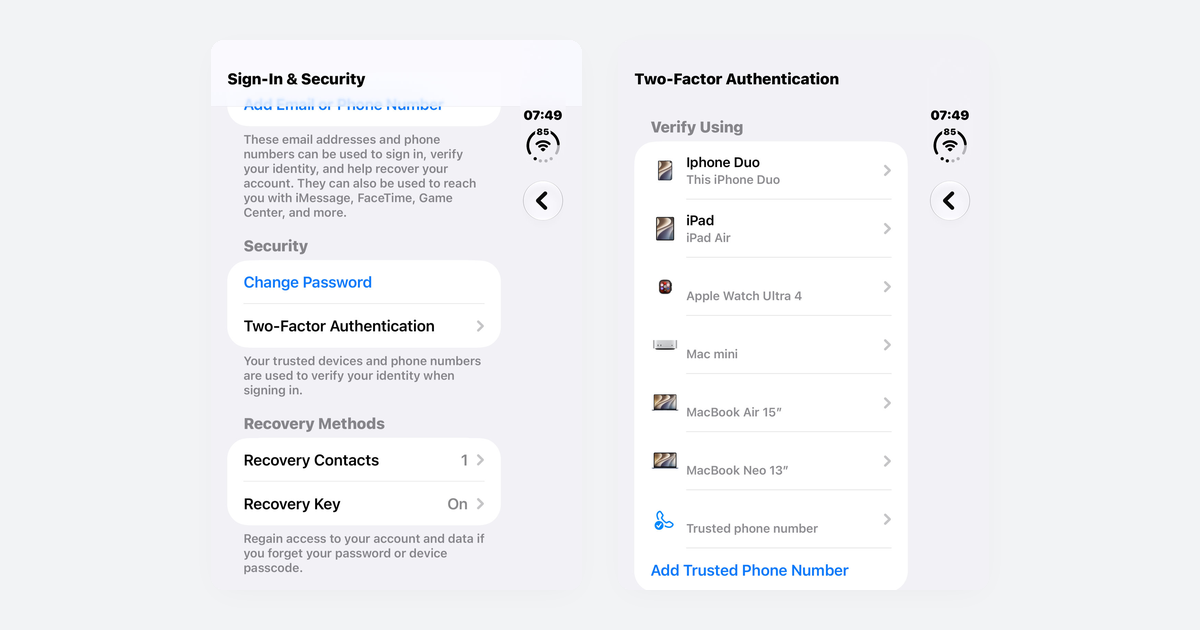
How to Turn On Two-Step Verification for Google, Apple, Microsoft, Facebook, Instagram and Amazon
Open each account's security settings, turn on two-step verification, and save backup codes plus a second way back in.
Accounts & Security · 14 min read
Is This a Scam? 4 Warning Signs and What to Do Next, for Parents, Kids and Grandparents
Watch for someone pretending to be trusted, a sudden problem or prize, pressure, and a request for gift cards, crypto, or a wire.
Scams · 8 min read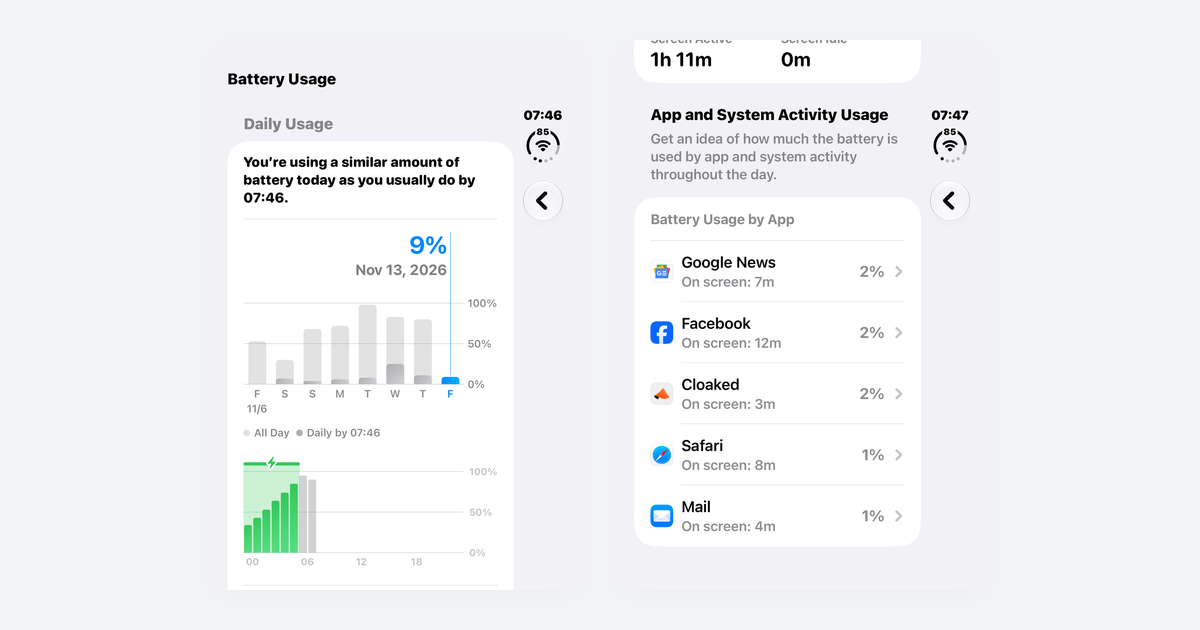
Phone Battery Draining Fast? Free Fixes for iPhone and Android
If you just updated, wait a few days; then check which app is using power, turn on battery saver, and dim the screen.
Phones & Storage · 10 min read