
On this page · 4 sections
SpaceX caught the top part of its Starship rocket as it came back from orbit on Saturday, Nov. 14, 2026. It is the first time the company has caught a Starship returning from space.
The catch happened at Starbase in Texas, at the same launch tower the rocket left on Friday, Nov. 13. That launch was Starship's 15th test flight. SpaceX said the ship reached the tower 22.5 hours after liftoff. After the ship broke through the clouds, three engines lit for a landing flip and a slow descent. The tower's mechanical arms then closed and caught it, SpaceX said.
What Flight 15 did
Starship Flight 15 lifted off Friday from Pad 2 at Starbase. The Super Heavy booster, the lower part of the rocket, rose on 33 Raptor engines. After the two parts separated, the Starship upper stage flew on with six engines, SpaceX said.
SpaceX said the ship then reached orbit and deployed 26 Starlink V3 satellites. The company said it made contact with every satellite, and that the satellites have started raising their orbits to join the Starlink constellation.
The Guardian reported that the 171-foot upper stage circled Earth 14 times. It was only the second time Starship has entered orbit, The Guardian reported.
After more than 20 hours in space, SpaceX's flight control team prepared to bring the ship back. SpaceX said the ship relit one engine to leave orbit, flew back toward the Texas coast, and then lit three engines for the landing flip. The tower arms caught Starship for the first time, SpaceX said.
The booster did not return to the tower
SpaceX had hoped to catch both parts of the rocket. The Super Heavy booster did not make it back to the tower.
SpaceX said the burn that was meant to send the booster back to the tower ended early because it was low on fuel, and that the company is still investigating why. The booster's guidance system then started an automated abort and sent it to a landing area over the water, SpaceX said. It fired its landing engines and shut them down while hovering over the Gulf. SpaceX said the booster's flight termination system was then triggered. The Guardian reported that the booster exploded in the Gulf of Mexico.
"It was doing what it was supposed to do. Basically, it detected that the booster was not in the place it was supposed to be to proceed with a catch," SpaceX spokesperson Dan Huot said early on Saturday, The Guardian reported.
How to watch a replay, and what's next
SpaceX's Flight 15 page has the official mission summary, and the company posts official videos on its YouTube channel.
SpaceX has not announced a date for the next Starship flight; its launches page will list one. Elon Musk has said SpaceX plans to raise the Starship test pace to a weekly flight, then two a week, The Guardian reported.
Want more tech and space news? Follow Tech Cheat Codes on Facebook. Tap this link, then tap Follow: Follow Tech Cheat Codes on Facebook
References
Get the next cheat code
Plain-English tech fixes and scam alerts. Tap Follow on Facebook or TikTok, or pick another below.
Related fixes
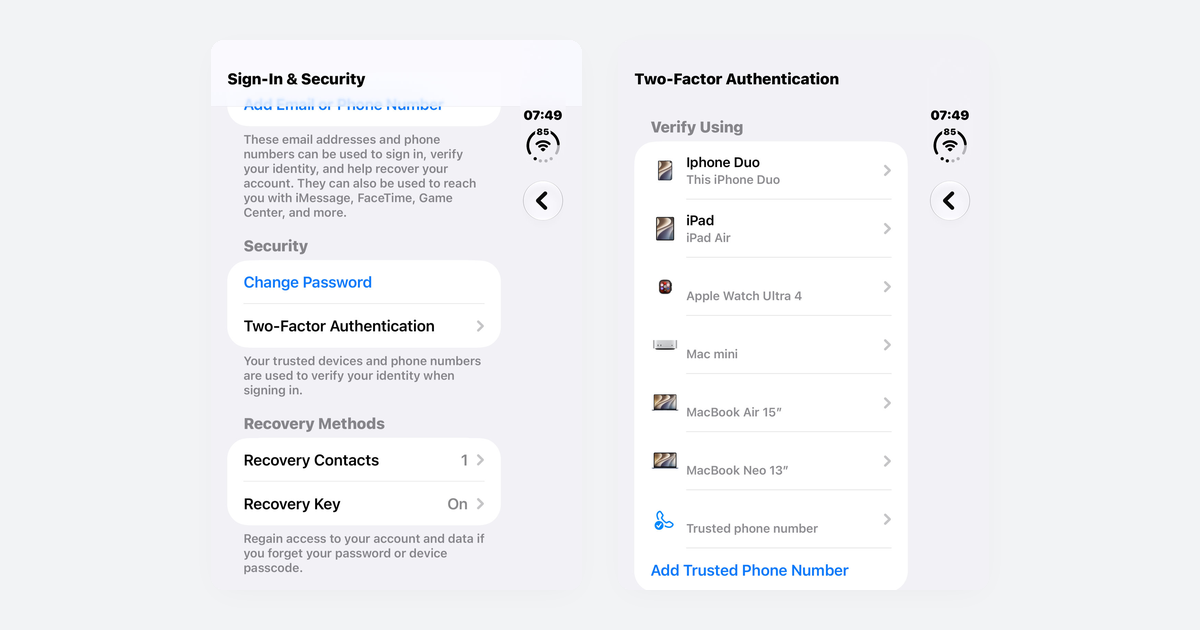
How to Turn On Two-Step Verification for Google, Apple, Microsoft, Facebook, Instagram and Amazon
Open each account's security settings, turn on two-step verification, and save backup codes plus a second way back in.
Accounts & Security · 14 min read
Is This a Scam? 4 Warning Signs and What to Do Next, for Parents, Kids and Grandparents
Watch for someone pretending to be trusted, a sudden problem or prize, pressure, and a request for gift cards, crypto, or a wire.
Scams · 8 min read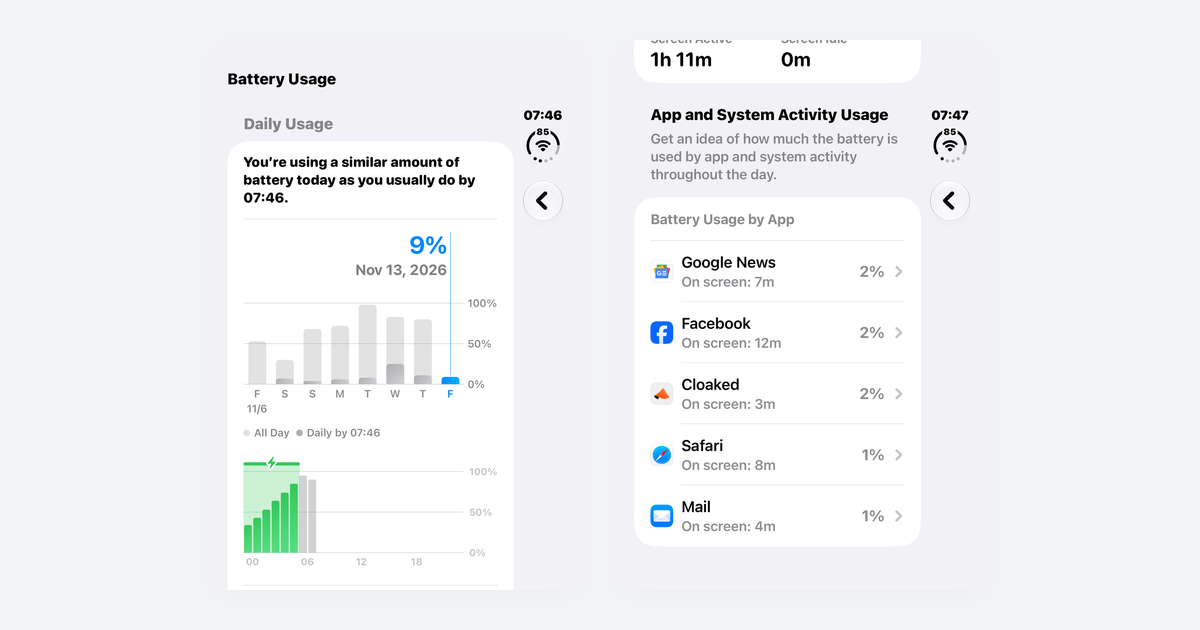
Phone Battery Draining Fast? Free Fixes for iPhone and Android
If you just updated, wait a few days; then check which app is using power, turn on battery saver, and dim the screen.
Phones & Storage · 10 min read