
On this page · 3 sections
The loss is the first outright failure of a ULA rocket since the company, a Boeing and Lockheed Martin joint venture, was formed in 2006, Spaceflight Now reported. It also sets back Amazon's effort to build a satellite internet network to rival SpaceX's Starlink. ULA has not identified a cause.
"Based on data received by our Launch Director, we confirm that the Vulcan vehicle launched from Space Launch Complex 41 (at the Cape Canaveral Space Force Station) suffered an anomaly 10 minutes into the flight and failed to deliver the Amazon mission to orbit," ULA said in a statement quoted by Spaceflight Now. "We will work closely with our customer and other appropriate organizations to find the cause, determine the appropriate corrective action and return to flight as quickly as possible."
The Verge reported that ULA also posted the statement on X. Amazon said on its Leo mission-updates page that the payload was lost. "There is risk with any launch, and that's especially true for inaugural missions like LV-01. ULA has been a trusted partner for Amazon, and we believe they'll learn from this mission and deliver on their long-term plans for Vulcan," Amazon said.
The Sunday launch
Amazon's mission-updates page lists the flight as mission LV-01, or Leo Vulcan 1, on a ULA Vulcan VC6L rocket. It gives the liftoff time as 12:40 p.m. EST on Sunday from Space Launch Complex-41 at Cape Canaveral Space Force Station, with 40 satellites on board.
ULA's Vulcan Leo 1 mission page said this was the first of 38 Vulcan launches Amazon has booked with ULA, after eight successful Amazon Leo missions on Atlas V rockets. A ULA blog post published Nov. 10, before the launch, said the 40-satellite load was to be the largest number of satellites carried on a single Amazon launch to date.
It was the fifth flight of a Vulcan rocket, Spaceflight Now reported. ULA's pre-launch blog said the first four Vulcan missions completed their flights. ULA has not announced a date for the next Vulcan launch.
If you were waiting for Amazon Leo internet
Amazon Leo, formerly Project Kuiper, is Amazon's planned low Earth orbit satellite internet network. It is meant to compete with services such as SpaceX's Starlink, but it is not a widely available home internet service yet.
This failure lost 40 satellites that never reached orbit. It does not remove the satellites Amazon had already launched. Amazon said it "has launched nearly 400 satellites to date across 14 missions" and that it "is moving quickly to grow the constellation as it prepares to roll out service to customers around the world."
Amazon has not said the lost launch takes those earlier satellites offline, or that existing test service has stopped. If you are one of the select business customers in Amazon's enterprise preview, watch official Amazon Leo channels for any service note, and use Amazon's own contact options rather than a social media message that claims to be from the company.
Most households cannot order the service today. In a November 2025 explainer, Amazon said it began an enterprise preview that month "to allow select business customers to begin testing the network using production hardware and software," and that it would "roll out Amazon Leo service more widely in 2026 as we launch more satellites and add coverage and capacity to the network." That page does not list a public consumer price, start date, or order form. On a waitlist, the explainer says: "For now, anyone who is interested in staying informed about Amazon Leo can sign up on our website." That sign-up is on leo.amazon.com. Treat an email, text, or private message that asks you to preorder, pay, or share card details for Leo access as unofficial unless it comes through Amazon's own site.
Amazon is not relying only on Vulcan. The same official explainer says Amazon has secured more than 80 launches from Arianespace, Blue Origin, SpaceX, and ULA. Amazon's next scheduled flight is LE-04, an Arianespace Ariane 64 rocket carrying 36 Leo satellites no earlier than Monday, Nov. 23, from the Guiana Space Centre in French Guiana.
Keep the internet service you already have. Amazon has not given a new public date for household Leo service after Sunday's failure. For investigation updates, watch ULA's mission page and Amazon's Leo mission updates.
Want more tech and space news? Follow Tech Cheat Codes on Facebook. Tap this link, then tap Follow: Follow Tech Cheat Codes on Facebook
References
- Source: Amazon, Amazon Leo mission updates (updated Nov. 15, 2026)
- Source: Amazon, Everything you need to know about Amazon Leo
- Source: Amazon Leo
- Source: United Launch Alliance, Vulcan Leo 1
- Source: United Launch Alliance, Vulcan Leo 1: Delivering 40 satellites to space (Nov. 10, 2026)
- Source: Spaceflight Now, William Harwood, ULA suffers first outright failure with loss of Vulcan rocket carrying 40 Amazon Leo satellites (Nov. 15, 2026)
- Source: The Verge, Terrence O'Brien, Vulcan rocket fails, destroying 40 Amazon Leo satellites (Nov. 15, 2026)
Get the next cheat code
Plain-English tech fixes and scam alerts. Tap Follow on Facebook or TikTok, or pick another below.
Related fixes
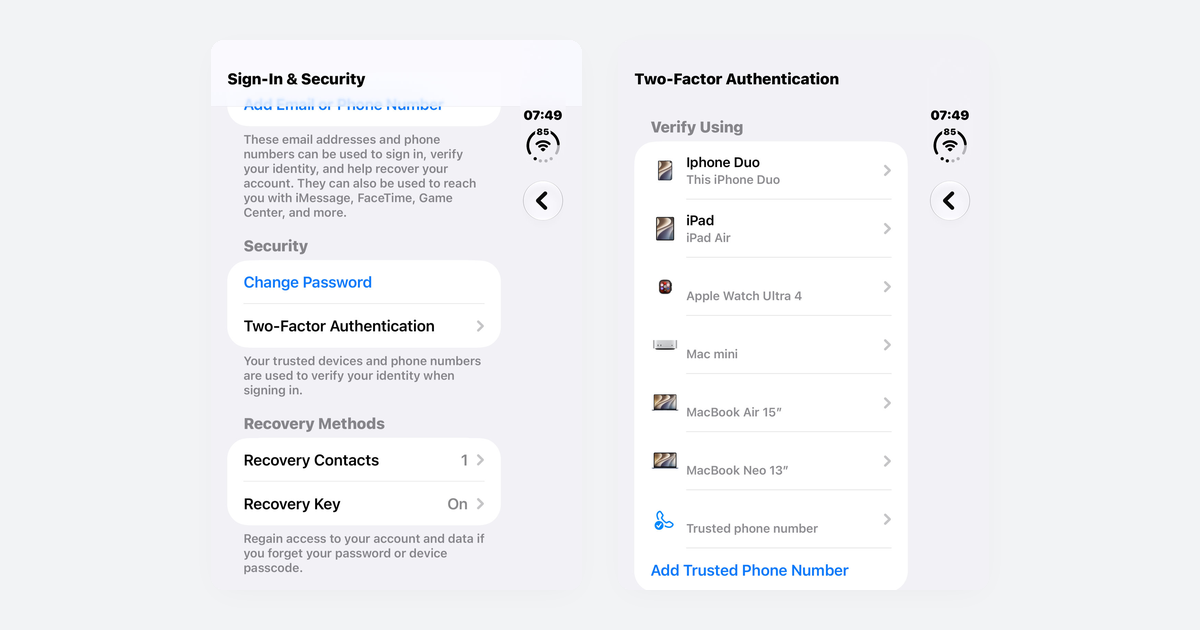
How to Turn On Two-Step Verification for Google, Apple, Microsoft, Facebook, Instagram and Amazon
Open each account's security settings, turn on two-step verification, and save backup codes plus a second way back in.
Accounts & Security · 14 min read
Is This a Scam? 4 Warning Signs and What to Do Next, for Parents, Kids and Grandparents
Watch for someone pretending to be trusted, a sudden problem or prize, pressure, and a request for gift cards, crypto, or a wire.
Scams · 8 min read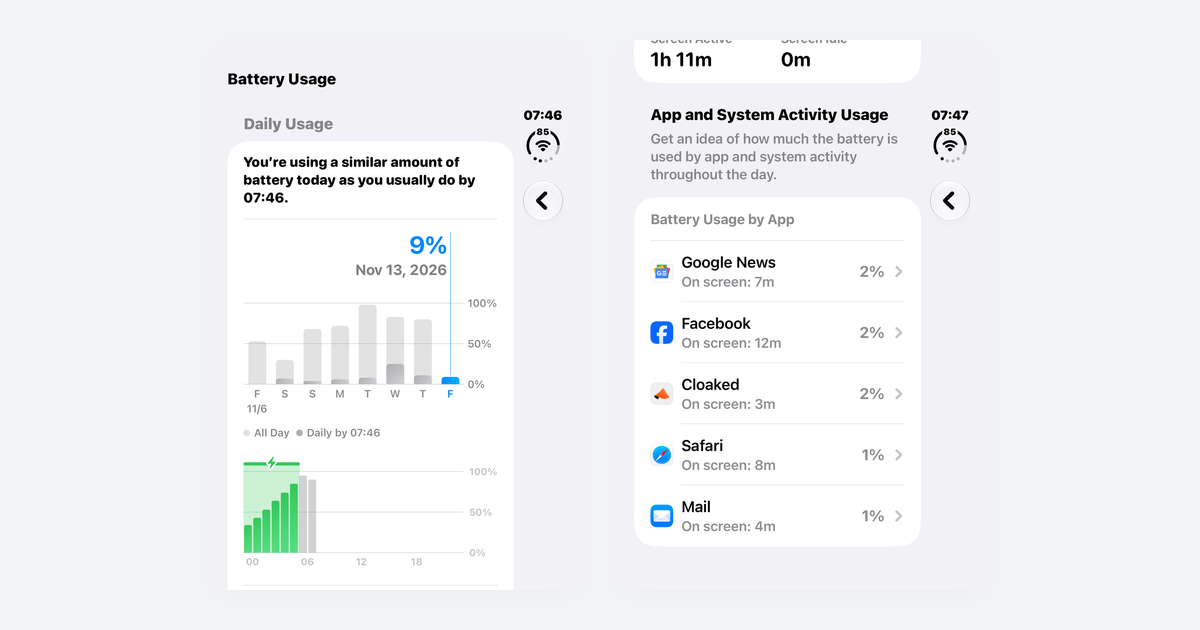
Phone Battery Draining Fast? Free Fixes for iPhone and Android
If you just updated, wait a few days; then check which app is using power, turn on battery saver, and dim the screen.
Phones & Storage · 10 min read