
On this page · 5 sections
A new study led by the Harvard T.H. Chan School of Public Health and the Harvard Data Science Initiative says the largest data centers in the United States now use as much electricity as some whole states. The study was published Monday, Nov. 16, 2026, in the journal Nature Sustainability. The authors say the spread of these sites is mainly driven by artificial intelligence.
What the study found
The researchers studied 403 of these huge sites, often called hyperscale data centers, from May 2024 through April 2025. They used satellite images to find the sites. They used Environmental Protection Agency data to estimate pollution from the power plants on each regional grid, a Harvard news release says.
How hard the sites were running changed the totals. The study estimates they used between 68 and 99 terawatt-hours of electricity in that year. The high end is close to what Indiana, Michigan or Tennessee use in a year, the Harvard release says.
In the midrange case, the sites used about 82 terawatt-hours, or about 1.8% of all U.S. electricity, and were tied to about 25.7 million metric tons of carbon dioxide. The researchers say that carbon total is two to three times higher than an earlier estimate for 2018. The Guardian reported that this is about the same as Denmark's carbon pollution for a year.
Lead author Gianluca Guidi said the figures are only a snapshot. The boom did not slow after April 2025, he said, and the electricity use and carbon footprint could already be substantially larger now.
The researchers say they did not have enough data to study every large data center in the United States. They also could not tell how much power at each site went to AI work versus other computing.
Where the power comes from
About 54% of the electricity for these sites came from fossil fuels, mainly natural gas (38%) and coal (15%), the Harvard release says. About a quarter of that electricity came from grid regions dirtier than the U.S. average. Just four states, Virginia, Oregon, Ohio and Iowa, accounted for more than half of the electricity use in the study.
The Verge reported that the study found generating power in coal-heavy Wyoming led to about seven times more carbon dioxide per unit of electricity than in Oregon, which uses a lot of hydropower. Lead author Gianluca Guidi told The Verge that two data centers using the same amount of electricity can have very different carbon footprints, simply because of where they are.
Francesca Dominici, the study's corresponding author, said carbon dioxide from this power use adds to climate change, and that fossil fuel plants on those grids also release other pollution tied to heart and lung disease. People who live near those plants, or downwind of them, may bear health costs even if they live far from the data center itself, she said. The study did not directly measure those health effects.
Local pushback
The Guardian reported that public pushback against new data centers is still strong among both Democrats and Republicans. The newspaper said local opposition has focused on a cluster of sites in the greater Memphis, Tennessee, area, where people have protested and filed lawsuits over noise and air pollution, and on a large planned site in Utah, where people have raised concerns about water use.
What to watch near you
The study did not measure household power bills, so it does not show whether your electric bill will go up.
Dominici said decisions about where data centers go and how they are powered are critical for the environment and public health, and that those decisions should be made with good data. Those choices are being made right now, Guidi said.
Want more tech news like this? Follow Tech Cheat Codes on Facebook. Tap this link, then tap Follow: Follow Tech Cheat Codes on Facebook
References
- Nature Sustainability, Gianluca Guidi et al., Assessing the carbon emissions and energy consumption of US hyperscale data centres (Nov. 16, 2026)
- Harvard T.H. Chan School of Public Health, Maya Brownstein, Hyperscale data centers' energy consumption, carbon emissions newly estimated by researchers (Nov. 16, 2026)
- The Guardian, Oliver Milman, Surge of US datacenters adds equivalent of Denmark's annual emissions, study finds (Nov. 16, 2026)
- The Verge, Justine Calma, US data centers now burn more electricity than a midsized country (Nov. 16, 2026)
Get the next cheat code
Plain-English tech fixes and scam alerts. Tap Follow on Facebook or TikTok, or pick another below.
Related fixes
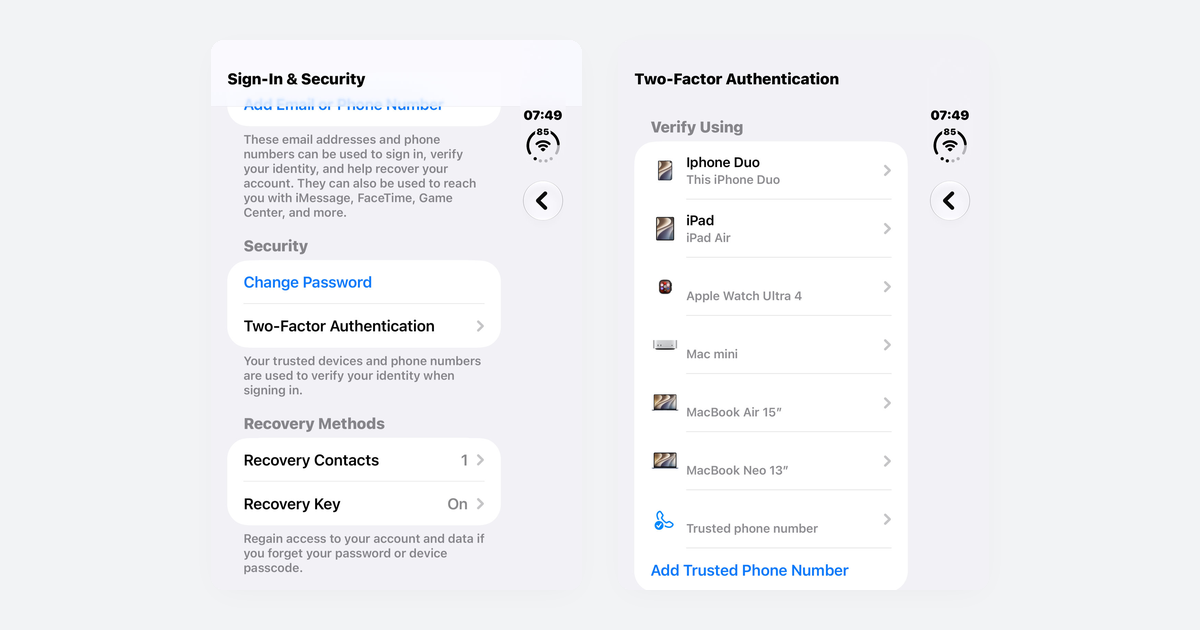
How to Turn On Two-Step Verification for Google, Apple, Microsoft, Facebook, Instagram and Amazon
Open each account's security settings, turn on two-step verification, and save backup codes plus a second way back in.
Accounts & Security · 14 min read
Is This a Scam? 4 Warning Signs and What to Do Next, for Parents, Kids and Grandparents
Watch for someone pretending to be trusted, a sudden problem or prize, pressure, and a request for gift cards, crypto, or a wire.
Scams · 8 min read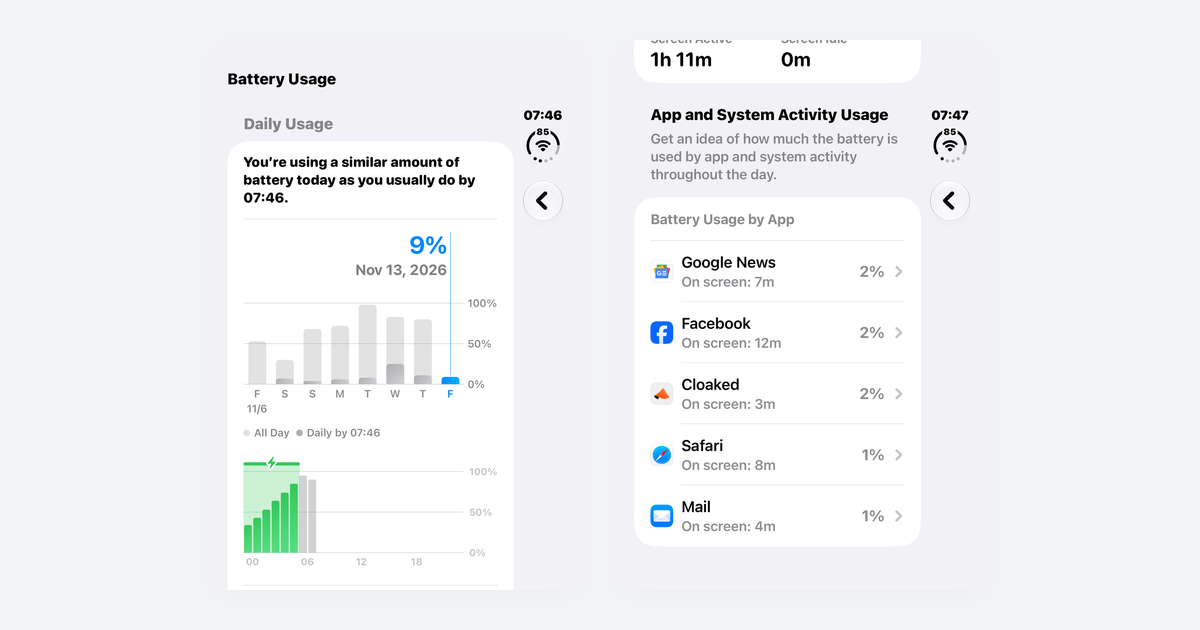
Phone Battery Draining Fast? Free Fixes for iPhone and Android
If you just updated, wait a few days; then check which app is using power, turn on battery saver, and dim the screen.
Phones & Storage · 10 min read