
On this page · 4 sections
A radio signal sent to Voyager 1 now takes a full day to arrive. The NASA spacecraft crossed one light-day from Earth at 5:16 a.m. ET on Wednesday, Nov. 18, 2026, the agency said. That point is 16.094 billion miles (25.902 billion kilometers) away, the distance light travels in 24 hours, and farther than any human-made object has ever gone.
The probe left Earth on Sept. 5, 1977. It flew past Jupiter and Saturn, then headed away from the planets. NASA said it entered interstellar space in August 2012 and is still the most distant machine people have built, carrying a message toward other stars.
What a light-day means
Nothing is faster than light, NASA said. Light moves about 186,000 miles (299,000 kilometers) a second.
For a sense of the scale, light can reach the moon, 238,855 miles (384,400 kilometers) away, in 1.3 seconds, NASA said. Sunlight takes about eight minutes and 20 seconds to cross the 93 million miles (about 150 million kilometers) from the sun to Earth.
Where it is headed
Voyager 1 is flying toward a star called Gliese 445, more than 17 light-years away in the constellation Ursa Minor, NASA said. The spacecraft is expected to pass within about 1.7 light-years of that star in 40,000 years, even though it is cruising at nearly 38,000 mph (61,000 kph).
Its twin, Voyager 2, launched first in 1977 and took a longer path past Uranus and Neptune. NASA said Voyager 2 is on pace to reach one light-day in November 2035.
The Verge's Jess Weatherbed says Voyager 1 can still send back readings on plasma waves, magnetic fields and particles in space.
How to follow it
NASA has a live tracker, which it calls a cosmic odometer, that shows where Voyager 1 and Voyager 2 are, with the miles ticking up in real time. The agency also offers an Eyes on the Solar System tool that shows how long a signal takes to reach the spacecraft.
Want more tech news like this? Follow Tech Cheat Codes on Facebook. Tap this link, then tap Follow: Follow Tech Cheat Codes on Facebook
NASA said it took Voyager 1 49 years, two months and 11 days to travel a distance that light covers in 24 hours. The agency's own description of the milestone is short: "very, very far."
References
Get the next cheat code
Plain-English tech fixes and scam alerts. Tap Follow on Facebook or TikTok, or pick another below.
Related fixes
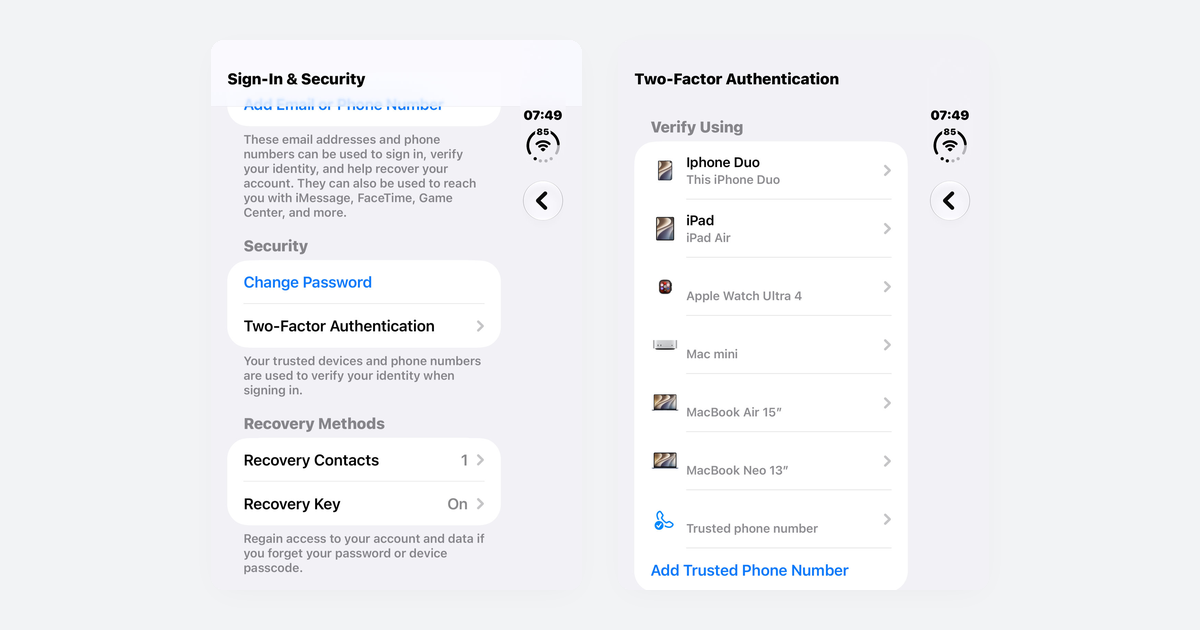
How to Turn On Two-Step Verification for Google, Apple, Microsoft, Facebook, Instagram and Amazon
Open each account's security settings, turn on two-step verification, and save backup codes plus a second way back in.
Accounts & Security · 14 min read
Is This a Scam? 4 Warning Signs and What to Do Next, for Parents, Kids and Grandparents
Watch for someone pretending to be trusted, a sudden problem or prize, pressure, and a request for gift cards, crypto, or a wire.
Scams · 8 min read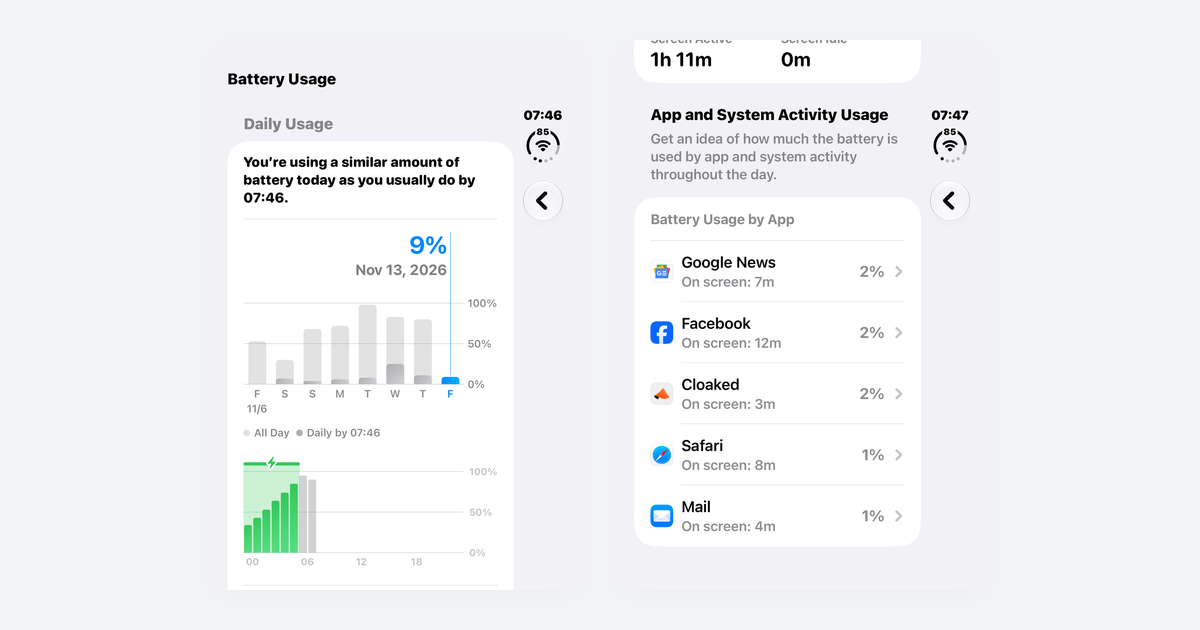
Phone Battery Draining Fast? Free Fixes for iPhone and Android
If you just updated, wait a few days; then check which app is using power, turn on battery saver, and dim the screen.
Phones & Storage · 10 min read