
On this page · 3 sections
A car-sized rover left Florida for Mars.
On Saturday, Nov 26, 2011, at 10:02 a.m. Eastern time, NASA's Mars Science Laboratory lifted off from Cape Canaveral Air Force Station in Florida, aboard an Atlas V rocket. Inside was a rover named Curiosity. A rover is a wheeled robot built to drive on another world. NASA called it car-sized. The trip to Mars was expected to last about eight months.
If the spacecraft left at the opening of that morning's launch window, it would arrive at Mars on Aug 6, 2012, Universal Time, which was the evening of Aug 5, 2012, in Pacific time. Jet Propulsion Laboratory, which managed the mission, described Curiosity as the most advanced rover ever to land on another planet. It was sent to investigate whether the landing region had environmental conditions favorable for supporting microbial life, and favorable for preserving clues about whether life existed. Microbial life means tiny living things, too small to see without a tool.
The launch itself was the start of the cruise, not the landing. After liftoff, the spacecraft had to separate from the rocket that boosted it, then send a signal home. Engineers later reported that they had received data showing the systems were operating normally, and that the journey was underway. The Jet Propulsion Laboratory in Pasadena, California, managed the mission. NASA's launch team at Kennedy Space Center in Florida ran the liftoff, and United Launch Alliance provided the Atlas V rocket.
The question left Florida first
Curiosity did not leave Florida with an answer. It left with a question: could Mars ever have been a place where tiny life could live? The landing was still eight months away. The launch was only the first miles of a trip across space, with a wheeled laboratory folded up inside a rocket, aimed at a planet that could not answer back until the rover got there.
Fifteen years later, that Saturday morning in Florida is still the day the question left the ground.
The pictures reach your phone
The rover's work did not stay inside NASA. The mission has a public Raw Images page where anyone can view raw images sent back by Curiosity from its explorations on Mars. It opens in the same phone, tablet or laptop browser you use to read this, so the view from a robot launched from Florida in 2011 is a tap away.
Want more stories like this? Follow Tech Cheat Codes on Facebook. Tap this link, then tap Follow: Follow Tech Cheat Codes on Facebook
Reader comments
Ask us a question
Stuck on something in this story? Ask us, or leave a comment. Our team reads every message before it appears here.
Or email us at hello@techcheatcodes.com.
References
- Curiosity's Launch — NASA Science, NASA, dated November 26, 2011
- Mars Science Laboratory in Good Health — NASA JPL, NASA Jet Propulsion Laboratory, dated November 26, 2011
- Mars Science Laboratory: Curiosity Rover — NASA Science, NASA
- Raw Images — NASA Mars Exploration, NASA
Get the next cheat code
Plain-English tech fixes and scam alerts. Tap Follow on Facebook or TikTok, or pick another below.
Related fixes
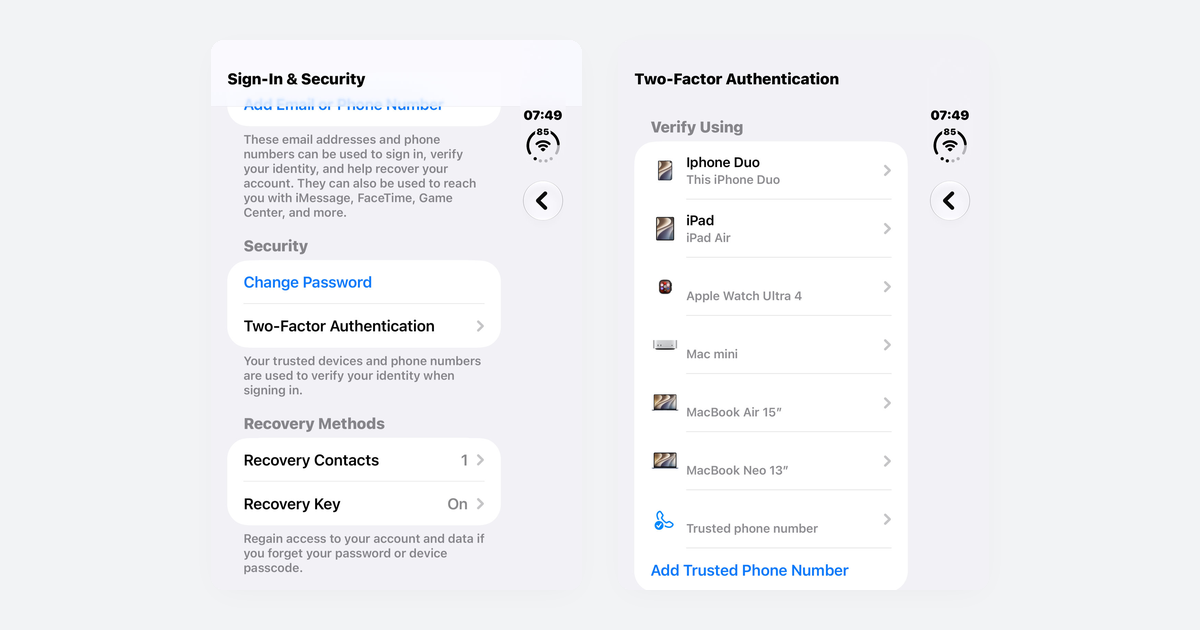
How to Turn On Two-Step Verification for Google, Apple, Microsoft, Facebook, Instagram and Amazon
Open each account's security settings, turn on two-step verification, and save backup codes plus a second way back in.
Accounts & Security · 14 min read
Is This a Scam? 4 Warning Signs and What to Do Next, for Parents, Kids and Grandparents
Watch for someone pretending to be trusted, a sudden problem or prize, pressure, and a request for gift cards, crypto, or a wire.
Scams · 8 min read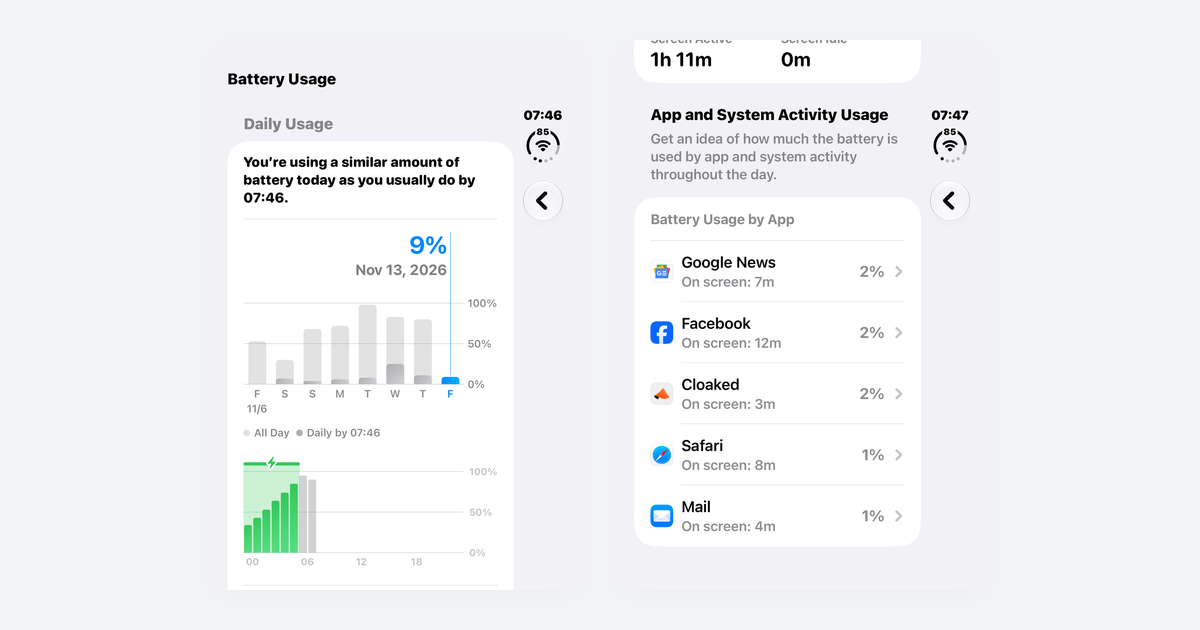
Phone Battery Draining Fast? Free Fixes for iPhone and Android
If you just updated, wait a few days; then check which app is using power, turn on battery saver, and dim the screen.
Phones & Storage · 10 min read