
On this page · 2 sections
About 2 billion stolen login records sat on an open server with no password and no encryption. Gmail made up the biggest share, with 608 million records.
A security researcher found the database and reported it to the company hosting it. Public access was cut off several days later. Nobody knows who owned it.
The records came from infostealers. That is malware that hides on a computer or phone and copies saved passwords, emails and browser data. Some files went further. They held browser cookies and session tokens, the bits of data that keep you signed in. With those, a thief may get into an account without your password at all.
The data was split into 8,471 folders. Some were sorted by country, with labels such as US, UK and MX. About 400,000 files looked like full profiles of single victims, with folders for their apps, passwords and devices.
The haul covered email, banks, crypto apps, shopping, streaming and government sites. After Gmail came 114.3 million records for other Google services. Tens of millions more were tied to Facebook, Instagram, Amazon, Roblox, Yahoo, Microsoft and X. More than 61 million were government (.gov) email addresses.
Two billion records does not mean 2 billion people. One infected computer can hold dozens of logins, and many records are repeats or old passwords.
What to do now
- Check your email. Type it into Have I Been Pwned to see if it shows up in known leaks.
- Clean your device first. Infostealers can grab a new password the moment you type it. Update your system and browser, run a malware scan, and remove apps or browser add-ons you don't know.
- Change passwords from a clean device. Start with your main email, since it can reset everything else. Use a different password for each account. A password manager makes that easy.
- Sign out everywhere. A new password may not end a stolen session. Use the "sign out of all devices" option, such as Google's Security Checkup.
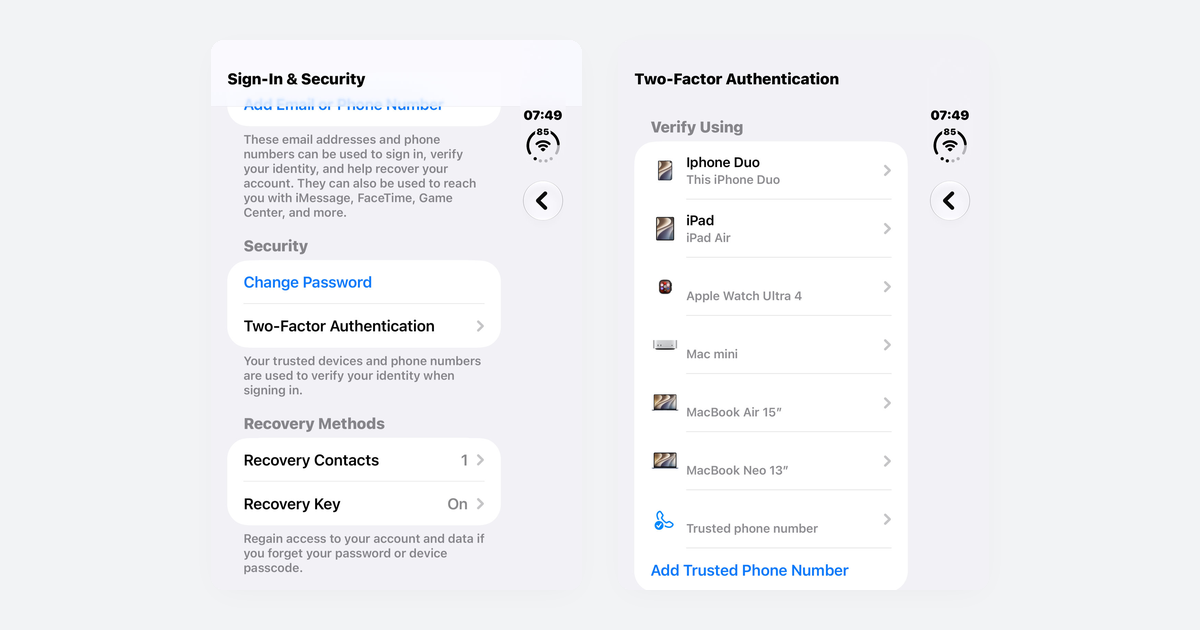
- Turn on two-step sign-in. An authenticator app or a security key works better than a text code.
Want more tech news like this? Follow Tech Cheat Codes on Facebook. Tap this link, then tap Follow: Follow Tech Cheat Codes on Facebook
This is the largest set of stolen logins the researcher has ever found. It is more than 13 times bigger than the 149 million logins he found earlier this year.
A Windows malware called Remus has also been slipping a fake Google Sheets extension into Chrome to copy new Gmail messages. That story is here: Fake Google Sheets Extension in Chrome Steals Gmail Messages.
Reader comments
Ask us a question
Stuck on something in this story? Ask us, or leave a comment. Our team reads every message before it appears here.
Or email us at hello@techcheatcodes.com.
References
Get the next cheat code
Plain-English tech fixes and scam alerts. Tap Follow on Facebook or TikTok, or pick another below.
Related fixes
How to Turn On Two-Step Verification for Google, Apple, Microsoft, Facebook, Instagram and Amazon
Open each account's security settings, turn on two-step verification, and save backup codes plus a second way back in.
Accounts & Security · 14 min read
Email Hacked? How to Take It Back and Lock It Down
Change your email password on a trusted device, sign out everywhere, turn on two-step verification, and check forwarding and recovery info.
Accounts & Security · 15 min read
Locked Out of Your Account? Step-by-Step Recovery for Google, Apple, Microsoft and Facebook
Use a device you've signed in on before and start only from the company's official recovery page, then wait.
Accounts & Security · 9 min read